
Unseen Overload: The Impact of Autistic Trauma on Mental Health
Dec 19, 2025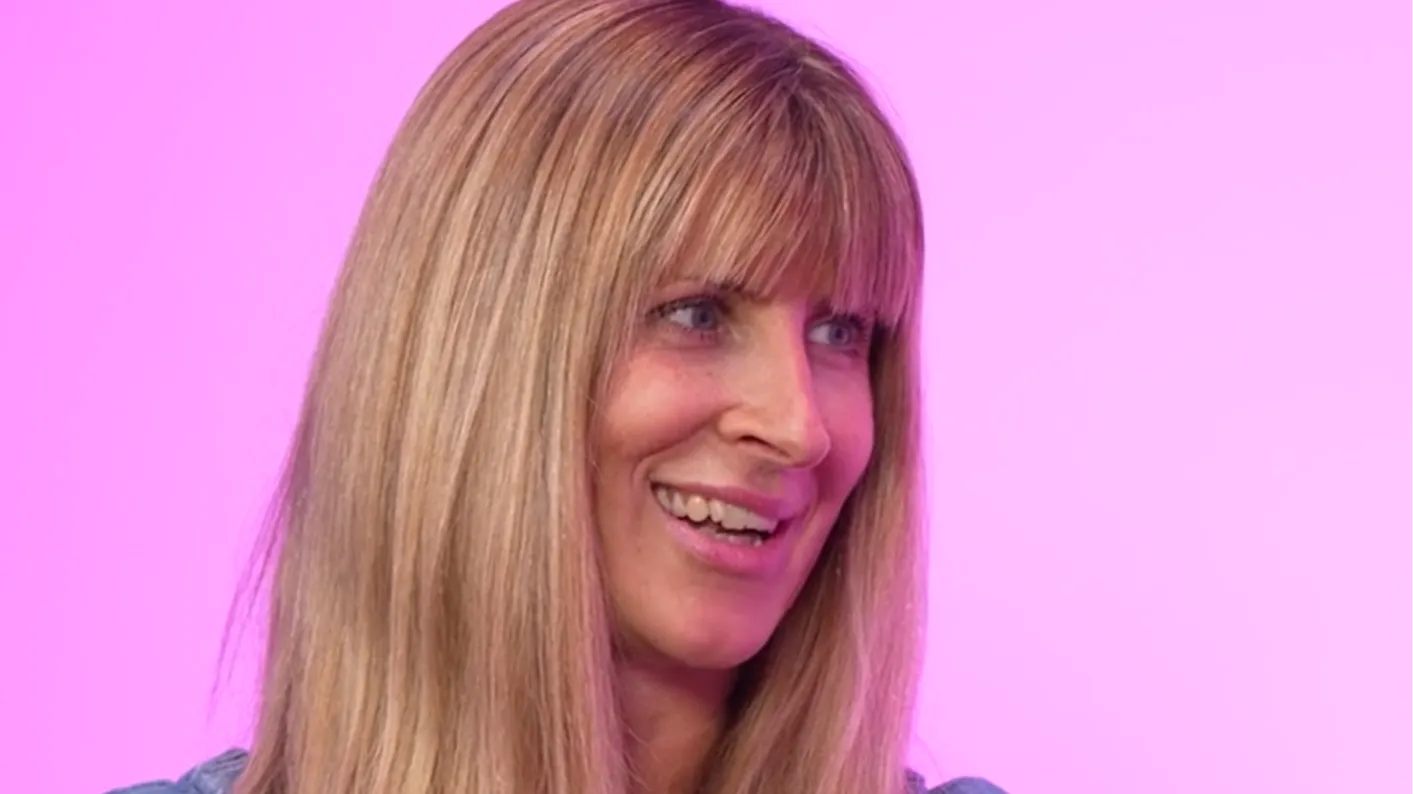
Raising awareness of trauma and supporting those who support children has always sat at the heart of my work. Whether I’m working alongside educators, clinicians, or families, one principle remains constant: we help children best when we “help the helpers.”
That means recognising parents and carers as an essential part of the team around a child. It means collaboration, compassion, and curiosity, especially when a child’s needs are complex, misunderstood, or hidden.
One area that continues to be overlooked, however, is neurodivergence, and particularly the intersection between autism, trauma, and mental health.
Why This Conversation Matters
Research consistently shows that autistic people are significantly more likely to experience mental health difficulties. Around 70% of autistic individuals experience challenges such as anxiety and depression, often as a result of chronic stress, misunderstanding, and environments that are not designed with their needs in mind.
For many autistic children and young people, trauma doesn’t always look like a single catastrophic event. Instead, it can be cumulative and relational — built up over time through sensory overload, unmet needs, masking, exclusion, and not being believed or understood.
This is what we explore in my recent podcast conversation, Unseen Overload – The Impact of Autistic Trauma on Mental Health.
A Compassionate Conversation
I had the privilege of speaking with the incredibly thoughtful and compassionate host Rosie Gill-Moss, and together we explored this vital topic in depth.
Our conversation covers a wide range of themes, including:
-
What trauma is and how it can present differently in neurodivergent children
-
How environmental adaptations, including within schools, can reduce distress and support regulation
-
Autistic burnout and why certain stages of child development can be particularly vulnerable
-
How to support teenagers through emotionally complex and demanding years
-
Why parents and carers need to “put their masks on first” and what this actually looks like in real life
-
Moving beyond behaviour to understand what a child is communicating
-
Practical, accessible steps parents and carers can take to support both their child and themselves
Throughout the conversation, we return again and again to the importance of compassion, validation, and relational safety; for children and for the adults caring for them.
Why Parents and Carers Matter So Much
Parents and carers often carry an invisible load. They are navigating systems, advocating relentlessly, managing burnout, and holding space for their child’s distress, often while feeling unheard or blamed.
If we want better outcomes for autistic children and young people, we must do better at supporting the adults around them. That includes schools and services working with families, not against them, and recognising that behaviour is communication, not defiance.
Watch or Listen
🎥 Watch the full video podcast here:
Watch the Podcast
🎧 Listen to the audio version here:
Listen to the Podcast
If this conversation resonates with you, or if you know someone who might benefit, please consider sharing it.
👉 Parents and carers who are struggling to make sense of their child’s experiences
👉 Schools and professionals wanting to work more effectively and compassionately with families
👉 Anyone wanting to better understand autistic trauma and mental health
Together, by increasing understanding and working collaboratively, we can reduce unseen overload and support children and young people in ways that truly meet their needs.
