
Start With Belonging
Feb 27, 2026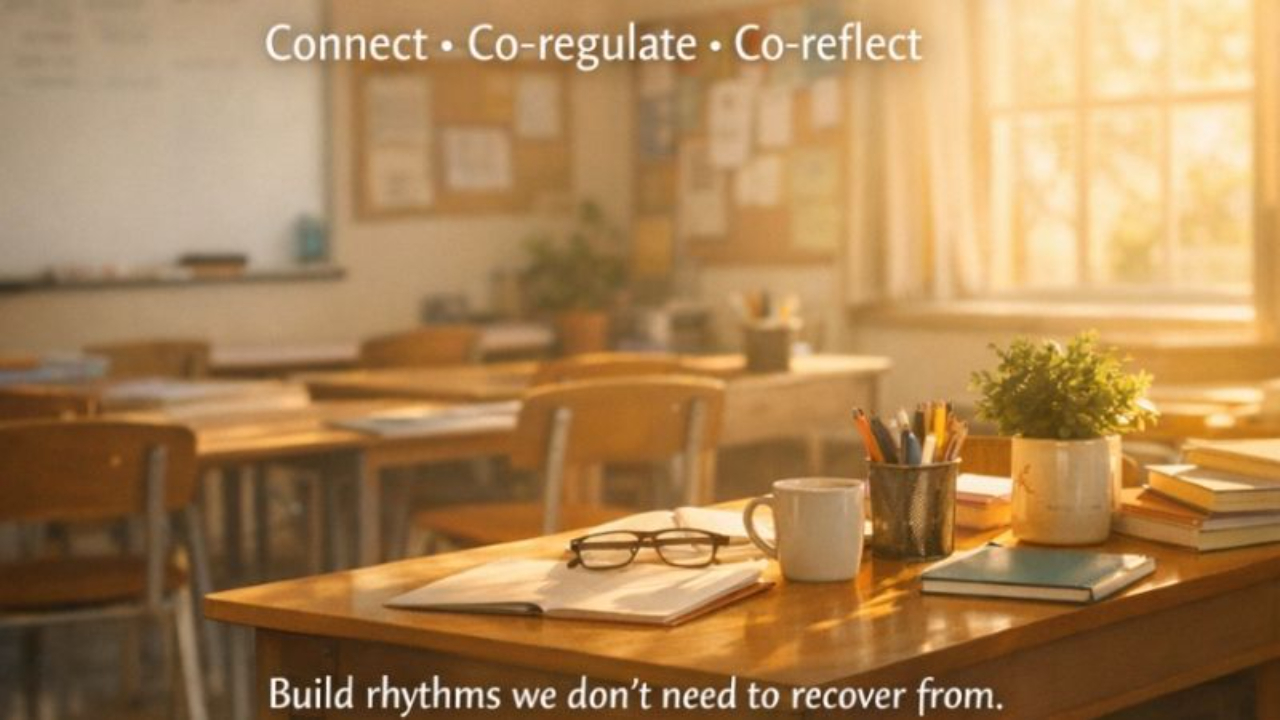
Start With Belonging
Half-terms and holidays give everyone something important.
Space.
A pause in stimulation.
A break from constant demand.
A chance, however imperfect, for nervous systems to reset.
Cortisol lowered.
Sleep deepened.
Hyper-vigilance softened.
For children.
For families.
For staff teams.
And then - we return.
Returning Raises the Temperature
The first week back is rarely neutral.
Noise increases.
Movement multiplies.
Transitions accelerate.
Demands return.
Corridors feel louder.
Classrooms feel busier.
Expectations feel closer.
Which is why this week isn’t just about routines and standards.
It’s about nervous system scaffolding.
Before we can expect regulation, engagement, and learning, we need to rebuild safety.
Connect First
Connection lowers threat faster than instruction ever will.
Notice who walks through the door.
Greet them by name.
Be genuinely pleased to see them.
Micro-moments of warmth matter more than we realise. A soft tone. Eye contact. A comment that says, “I’m glad you’re here.”
Belonging begins with being seen.
Co-Regulate Before You Correct
When stimulation rises, dysregulation is predictable — not personal.
So we lend our calm.
We slow the pace when needed.
We lower our voices rather than raising them.
We steady the emotional temperature of the room.
Children borrow regulation from regulated adults.
Staff borrow it from regulated leaders.
The calmest nervous system in the room sets the tone.
Co-Reflect Without Shame
At the end of the day, pause.
Ask:
-
What worked well today?
-
What might we try differently tomorrow?
Reflection without shame builds safety.
When mistakes become learning rather than humiliation, resilience grows. When curiosity replaces criticism, culture strengthens.
Don’t Forget the Staff Team
Belonging is not just for young people.
It is just as essential for the adults.
Notice the quiet regulation — the colleague who de-escalated gently.
Name the relational win — the repair conversation that rebuilt trust.
Protect shared laughter — those moments in the staff room that ease the weight.
Keep rhythms and rituals alive — the small traditions that hold teams together.
Strong cultures are sustained by ordinary joy.
Culture Is Built in Ordinary Moments
We sometimes think culture is set in policy documents or staff training days.
It isn’t.
It’s built in the 8:30am greeting.
In the response to a wobble.
In whether pressure or presence fills the room.
Belonging doesn’t happen by accident.
It is built on purpose.
Build Terms We Don’t Need to Recover From
What if we designed our weeks differently?
With rhythms that support regulation.
With expectations paced alongside capacity.
With rituals that anchor people through busy seasons.
Imagine creating terms that don’t leave everyone depleted.
Imagine finishing without needing recovery.
The Privilege at the Centre
And underneath all of this is something profound.
You may be a child’s reason for being there.
Families are trusting you with their most treasured person.
The days you help create now — the tone you set, the safety you build, the belonging you foster — may ripple far beyond this term.
They may impact generations to come.
So start with belonging.
Everything else grows from there.
